NV.gov

Thunderstorms and Lightning
Thunderstorms are common and can be dangerous. They can bring intense wind, flash flooding, hail and dangerous lightning. Severe thunderstorms are officially defined as storms that are capable of producing hail that is an inch or larger or wind gusts over 58 mph. Hail this size can damage property such as plants, roofs and vehicles. Wind this strong is able to break off large branches, knock over trees or cause structural damage to trees. Some severe thunderstorms can produce hail larger than softballs or winds over 100 mph, so please pay attention to the weather so you know when severe storms are possible. Thunderstorms also produce tornadoes and dangerous lightning; heavy rain can cause flash flooding.
Know Your Risk
Know your area’s risk for thunderstorms. Check the forecast regularly to see if you're at risk for severe weather. In most places they can occur year-round and at any hour. Sign up for your community’s warning system. The Emergency Alert System (EAS) and National Oceanic and Atmospheric Administration (NOAA) Weather Radio also provide emergency alerts.
Strengthen Your Home
Make an Emergency Plan
Create an emergency communications plan so that you and your family know what to do, where to go and what you will need to protect yourselves from the effects of a thunderstorm. Identify sturdy buildings close to where you live, work, study and play.Steps to Take Under a Thunderstorm Warning
- When thunder roars, go indoors! Move from outdoors into a building or car with a roof.
- Pay attention to alerts and warnings.
- Avoid using electronic devices connected to an electrical outlet.
- Avoid running water.
- Turn Around. Don’t Drown! Do not drive through flooded roadways. Just six inches of fast-moving water can knock you down, and one foot of moving water can sweep your vehicle away.
Steps to Take During a Thunderstorm
- At Your House: Go to your secure location if you hear a severe thunderstorm warning. Damaging wind or large hail may be approaching. Take your pets with you if time allows.
- At Your Workplace or School: Stay away from windows if you are in a severe thunderstorm warning and damaging wind or large hail is approaching. Do not go to large open rooms such as cafeterias, gymnasiums or auditoriums.
- Outside: Go inside a sturdy building immediately if severe thunderstorms are approaching. Sheds and storage facilities are not safe. Taking shelter under a tree can be deadly. The tree may fall on you. Standing under a tree also put you at a greater risk of getting struck by lightning.
- In a Vehicle: Being in a vehicle during severe thunderstorms is safer than being outside; however, drive to closest secure shelter if there is sufficient time.
Steps to Follow After a Thunderstorm
- Stay Informed: Continue listening to local news or a NOAA Weather Radio to stay updated about severe thunderstorm watches and warnings. More severe thunderstorms could be headed your way.
- Contact Your Family and Loved Ones: Let your family and close friends know that you're okay so they can help spread the word. Text messages or social media are more reliable forms of communication than phone calls.
- Assess the Damage: After you are sure the severe weather threat has ended, check your property for damages. When walking through storm damage, wear long pants, a long-sleeved shirt and sturdy shoes. Contact local authorities if you see power lines down. Stay out of damaged buildings. Be aware of insurance scammers if your property has been damaged.
- Help Your Neighbor: If you come across people that are injured and you are properly trained, if needed, provide first aid to victims until emergency response team members arrive.
Lightening
Lightning strikes the United States about 25 million times a year. Although most lightning occurs in the summer, people can be struck at any time of year. Lightning kills about 20 people in the United States each year, and hundreds more are severely injured. This website will teach you how to stay safe and offer insight into the science of lightning. You'll find animated books about lightning, safety tips for all kinds of situations, games for kids and resources for teachers. You'll learn about lightning victims and survivors.
Additional Resources
- Severe Thunderstorm Safety
- Thunderstorm Information Sheet
- How to Prepare for Thunderstorms
- Lightning Strike Victim Data
- Lightning: First Aid Recommendations
- What You Should Know About Lightning
- Thunderstorms and Lightning Safety Preparation
- UPDATED Lightning Safety Toolkits
- Lightning Safety Brochure
- U.S. Lightning Deaths in 2023: 13
- Youtube: Lightning Safety for the Deaf and Hard of Hearing: ASL and Closed Captioned
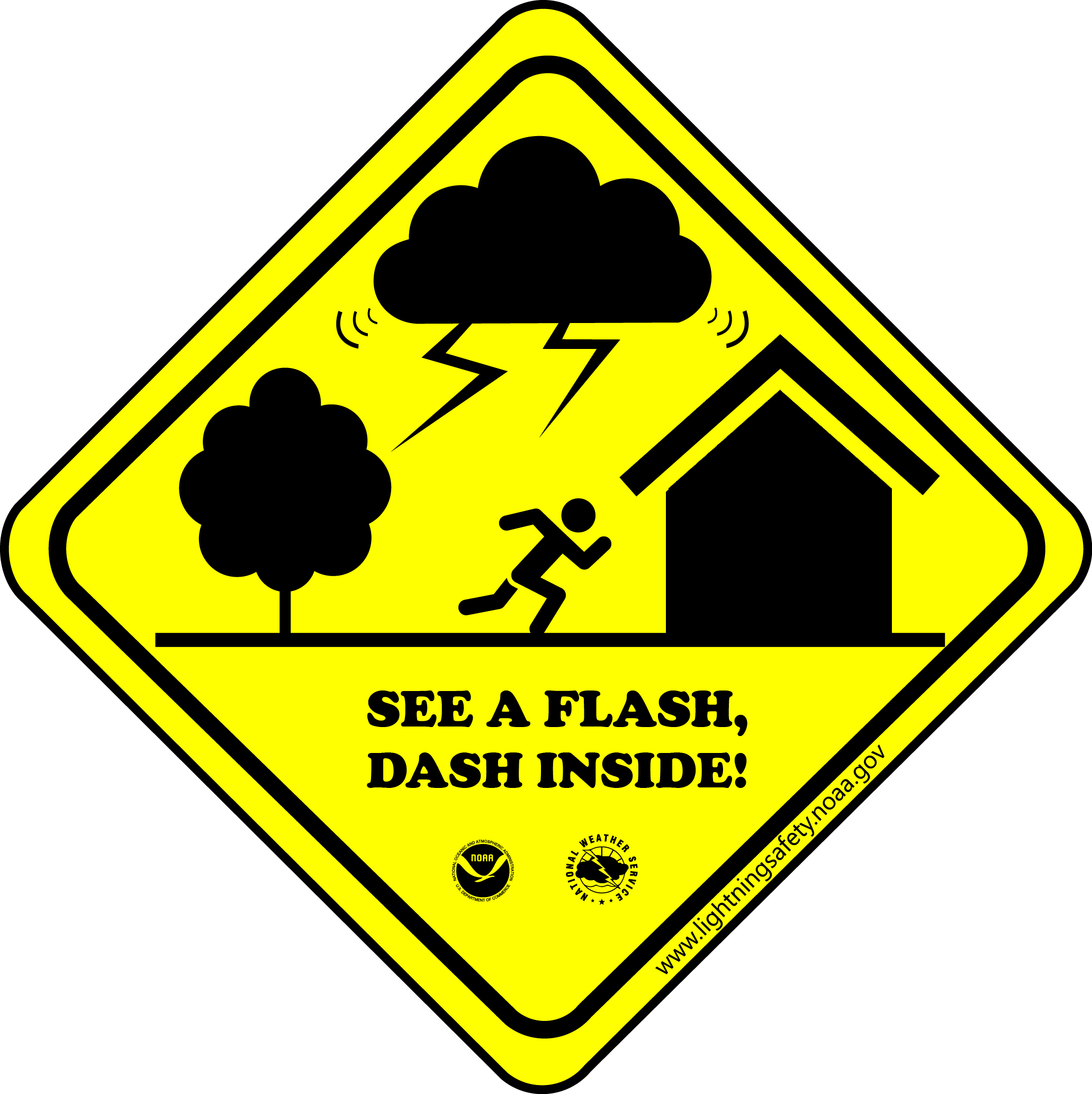
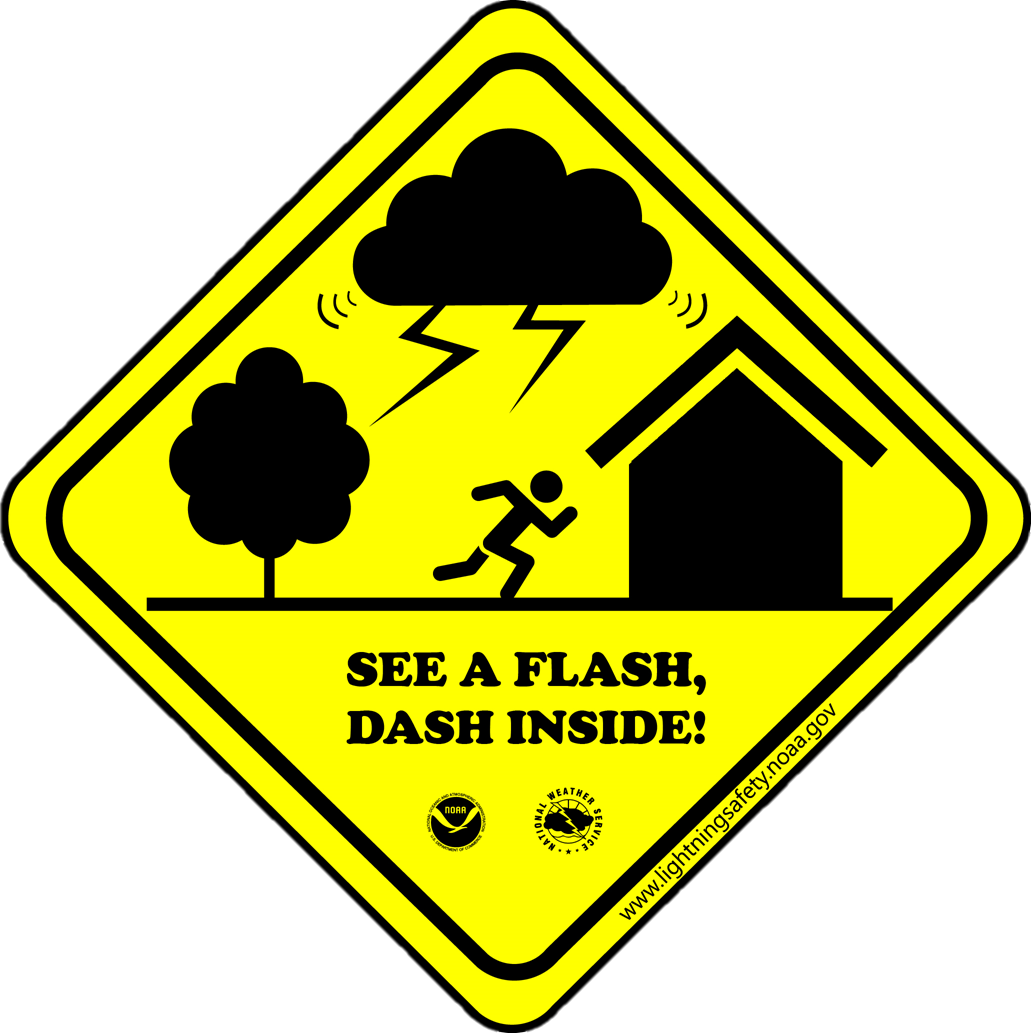
- "Flash, Dash Inside" slogan and sign created by and for the Deaf and Hard of Hearing
- Lightning Safety for Hard of Hearing: jpg, high res png
- YouTube: Lightning Safety Tips
- Lightning Safety When Working Outdoors: OSHA Factsheet
- What You Need to Know: Tips for Safety
- Analysis of Lightning Fatalities: 2006-2019
- YouTube: Don't Catch the Big One: PSA1, PSA2
- How People are Struck by Lightning
- Tornado, High Wind and Hail Safety Site
- En Espanol